
What Palm Reading Reveals Beyond the Lines: Understanding the Stories Hidden in Your Hands
A palm is easy to overlook. Most people notice their hands only when something feels unusual, such as a new mark, a deeper line or a change in the skin. Palmistry looks at these small details in a very different way. The shape of the hand, the fingers, the lines and the raised areas of the palm all have a place in this old practice. Palm reading has been followed in different forms for many years. Its meanings also differ from one tradition to another. One palmist may give more attention to the lines, while another may begin with the shape of the hand. That is why a reading is rarely based on one feature alone.
For many people, the appeal comes from the questions behind the reading. Relationships, work, personal choices and changes in life often lead to an interest in palmistry. The practice offers a symbolic way to look at these subjects. It does not provide scientifically proven predictions.
What a Practitioner Looks for During a Palm Reading Session
The first look at a palm is usually quite broad. Instead of going straight to the famous lines, a practitioner may study the hand as a whole. The texture of the skin, the width of the palm, finger length and thumb position all add detail. Both hands also receive attention. Traditional palmistry often gives the dominant hand a connection with present life and personal choices. The other hand may represent natural traits or earlier influences. These ideas are not the same in every palmistry system.
Some of the features often examined during a palm reading include:
- The overall shape of the palm
- Finger length and spacing
- Thumb size and flexibility
- Major and minor lines
- Raised areas known as mounts
- Small marks, breaks and unusual patterns


Looking Closely at the Main Lines
The heart, head and life lines are probably the most familiar parts of palmistry. Each carries a traditional meaning. The heart line is linked with feelings, affection and relationships. The head line relates to thought, learning and the way a person approaches decisions. The life line is traditionally connected with vitality, major changes and different stages of life. Then there is the fate line, which receives attention when work, responsibility or direction in life comes up during a reading.
One common misunderstanding involves the life line. A long line does not mean a long life, and a short line does not point to an early death. That idea has become popular over time, but it is not an accepted fact. Palm lines are interpreted through tradition and symbolism, not as a medical or scientific measure of lifespan.
The Fingers Tell Part of the Story Too
Palm reading is not limited to the lines. Fingers also add another layer to a traditional interpretation. The thumb is often connected with willpower and determination. The index finger has links with ambition and confidence. The middle finger is associated with responsibility, while the ring finger has traditional ties to creativity and expression. The little finger is often connected with communication.
Palmists also look at the mounts, which are the raised areas found around the palm. The mount of Venus, near the base of the thumb, is traditionally linked with affection and warmth. The mount of Jupiter, below the index finger, has associations with ambition and leadership.
Healing the Heart First
Winning someone back means little if the heart stays raw. An astrologer keeps that truth at the centre of everything. Vedic practice hands over simple tools for the hardest days. Breathwork, known as Pranayama, slows racing thoughts and eases the ache of missing someone. Daily meditation rebuilds worth from the inside, one brick at a time.
Why People Become Curious About Palm Reading
A quiet period in life sometimes brings curiosity about palmistry. A career change, relationship concern or personal crossroads may lead someone to explore an unfamiliar form of guidance. At other times, there is no serious concern at all. The interest simply comes from wanting to know what the lines mean.
A palm reading might focus on one question or move across several areas. Someone thinking about work may ask about the fate line. Questions about emotional life may bring attention to the heart line. The conversation may then move towards other features of the hand. Palmistry remains a symbolic practice. It does not establish whether a relationship is going to succeed, whether a business decision is right or what a person’s future holds.
What Happens During a Palm Reading Session
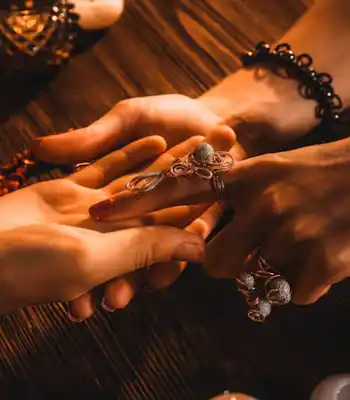
A traditional session often starts with both hands being examined. The practitioner looks at the general shape before moving towards individual lines, fingers and mounts. The amount of attention given to each feature depends on the style of palmistry being used.
A session may involve:
- Comparing the two palms
- Studying the main lines
- Looking at fingers and mounts
- Discussing unusual markings
- Explaining traditional meanings
- Answering questions about specific areas of life
The discussion may stay focused on one concern or cover several subjects. Much depends on the questions brought into the session.
Seeing Palmistry in the Right Context
Palmistry has survived because people have long been curious about the meaning behind the patterns on their hands. Its traditions offer a distinctive way to discuss personal experiences, even though its claims about personality and the future are not scientifically established. Those interested in learning about this practice may contact Pandit Sri Hari Ji for palm reading services. A palm reading session offers space to explore traditional palm meanings, understand the ideas behind different markings and ask questions about the practice.